

brazing EXPERTISE
Brazing
the smart combination of materials
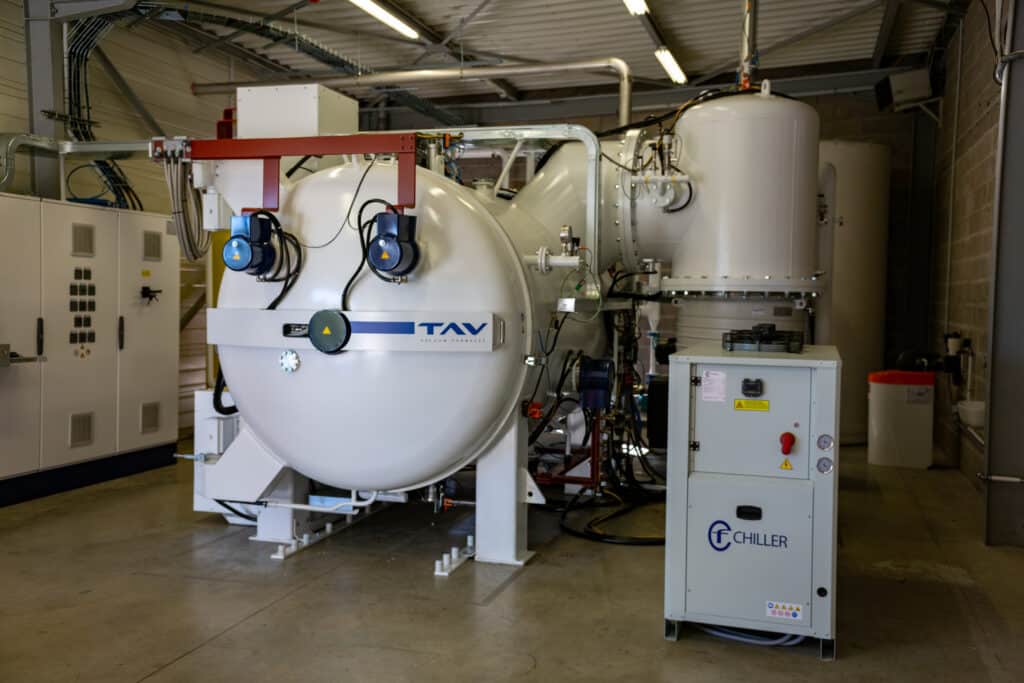
Multi-material brazing: the intelligent combination of materials
Reinventing high-performance industrial assembly
Expertise in multi-material brazing
Technical innovation & engineering support
Industrial B2B positioning
Multi-material brazing is an advanced joining technology that enables the durable assembly of dissimilar materials (metal/metal or metal/ceramic, for example) without melting them.
Unlike traditional welding, only the filler metal is brought to melting. The result: a strong, precise, and perfectly controlled joint.
It is the ideal solution for industries seeking performance, reliability, and lightweight design, while combining the best properties of each material.
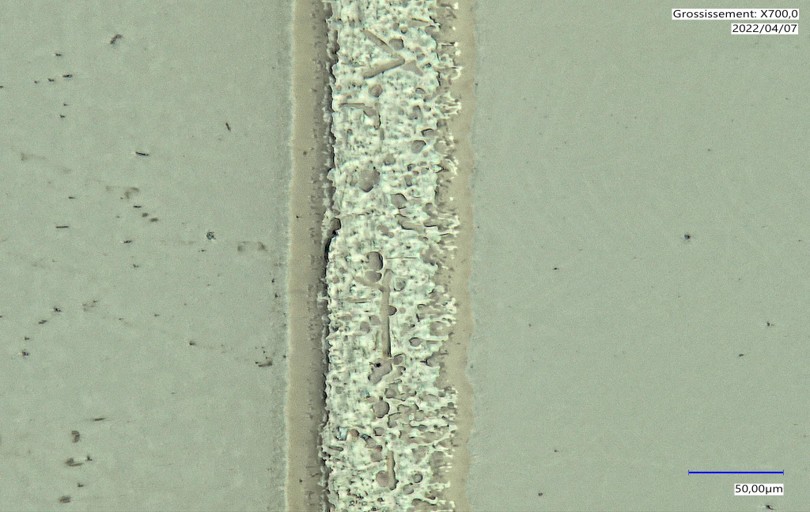
Optimized performance
Combine the advantages of multiple materials:
• Mechanical strength
• Thermal or electrical conductivity
• Corrosion resistance
• Lightweight
Assembly of dissimilar materials
Brazing enables the joining of complex combinations such as:
• Steel / copper
• Stainless steel / aluminum
• Carbide / steel
• Titanium / copper
• Ceramic / metal
Precision and aesthetics
• Clean and discreet assemblies
• Limited distortion
• Ideal for high-value technical parts
Cost-effective solution
• Reduction in material costs
• Optimization of product performance
• Less machining or mechanical fastening
Aeronautics
Brazing of light alloy components onto high-strength steel structures to combine strength and lightness. Complex-shaped aluminum heat exchangers.
Aluminum structural components.

Electronics and Energy
Copper components are connected to stainless steel supports to ensure electrical conductivity and environmental resistance. Copper / aluminum assemblies for weight savings.

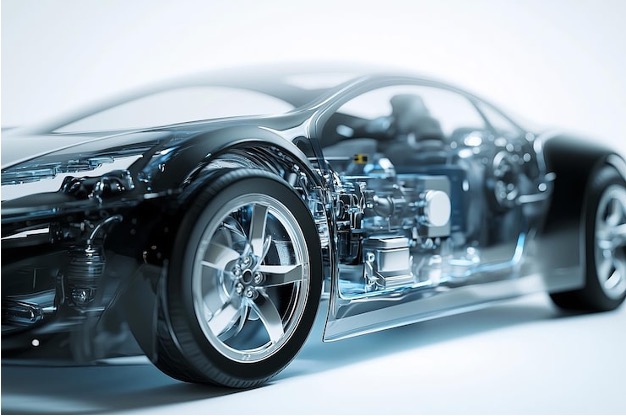
Automotive industry
Assembly of aluminum/copper heat exchangers to optimize heat dissipation and reduce system weight. Thermal break using ceramic/titanium or Inconel assemblies.
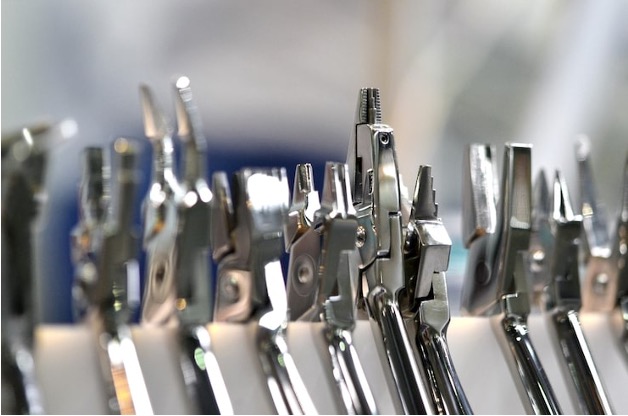
Industrial tools
Carbide inserts are secured to steel tool bodies to ensure performance and durability. Steel / ceramic assemblies for the medical industry.
Competitive advantages for your company
• Optimization of material costs
• Lightweight structures
• Improved product performance
• Reduced machining operations
• Increased reliability of assemblies
Multi-material brazing represents a strategic lever for industrial innovation (*), particularly suited to demanding sectors such as automotive, aerospace, energy, precision engineering, and manufacturing industries.
(*) Brazing: a lever for innovation
Multi-material brazing is not just a joining method:
it is a strategic design tool that enables the development of higher-performance, lighter, and more durable products.
Step 1
Materials
Aluminum, Titanium, Stainless Steel, Inconel, Copper, Ceramics
Joint configurations
Analysis of shapes and configurations
Design support
Compatibility with BSV
Tooling and definition
Design adapted to geometry
Step 2
Tooling production
Manufacturing according to specifications
Prototyping
Development and validation
Surface preparation
Pre-treatment prior to brazing
Assembly
Precise component assembly
Thermal cycle
Vacuum brazing process execution
Inspection
Post-brazing quality control
Step 3
Micrography
Microscopic analysis of brazed joints to verify homogeneity, wetting quality, and absence of defects. Identification of metallurgical phases.
Mechanical testing
Strength tests: tensile, shear, fatigue. Validation of mechanical properties according to aerospace and space standards.
Step 4
Qualification
Project management and process qualification methodology
Ensuring full traceability and compliance with specifications.
- Specification compliance
- Full traceability
- Comprehensive documentation
- Validation and certification
Your partner in multi-material brazing
Thanks to advanced technical expertise and fully controlled processes, we support industrial players in the design and production of reliable, high-performance, and durable multi-material assemblies.
Contact us to review your project and optimize your joining solutions.